import java.util.Scanner;

public class test {
    public static void main(String[] args) {
        Scanner sc = new Scanner(System.in);
        int a =  sc.nextInt();
        //sc.nextLine();
        System.out.println(a);
        String s = sc.nextLine();
        System.out.println(s);
    }

}
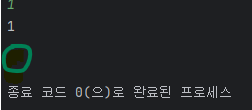
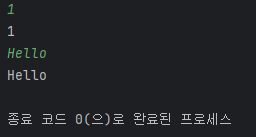
nextInt는 엔터를 버퍼에 남기기 때문에
다음에 s를 입력하기 전에 엔터가 남아있어서
공백이 출련된다.
이것을 수정하기 위해
sc.nextLine()을 사용하면
엔터의 버퍼를 지워주기 때문에
다음 문자를 입력할 수 있다.
import java.util.Scanner;

public class test {
    public static void main(String[] args) {
        Scanner sc = new Scanner(System.in);
        int a =  sc.nextInt();
        sc.nextLine();
        System.out.println(a);
        String s = sc.nextLine();
        System.out.println(s);
    }

}
숫자만 입력 두번 할 시
nextLine()이 필요없다.
import java.util.Scanner;

public class test {
    public static void main(String[] args) {
        Scanner sc = new Scanner(System.in);
        int a =  sc.nextInt();
        //sc.nextLine();
        System.out.println(a);
        int s = sc.nextInt();
        System.out.println(s);
    }

}
import java.util.Scanner;

public class Main {
    public static void main(String[] args) {
        Scanner sc = new Scanner(System.in);
        String before = sc.next();
        System.out.println(before);
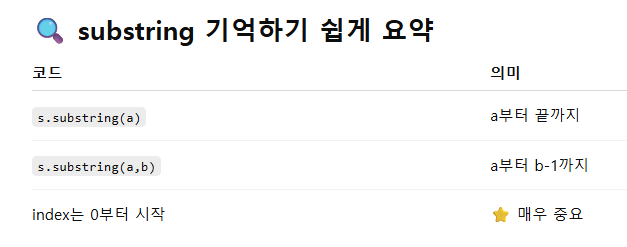
        int after = Integer.parseInt(before.substring(0,2));
        System.out.println(after);
    }

}
Integer.parseInt()는 문자열(String) 로 되어 있는 숫자를 정수(int) 로 바꿔주는 함수
package SWEA;

import java.util.Arrays;
import java.util.Scanner;

public class Main {
    public static void main(String[] args) {
        Scanner sc = new Scanner(System.in);
        int N = sc.nextInt();
        int[] arr = new int[N];

        for(int i = 0; i < N; i++){
            arr[i] = sc.nextInt();
        }

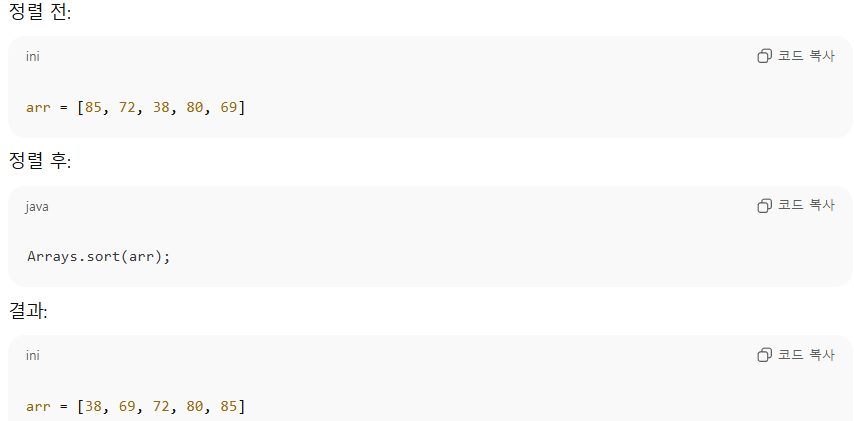
        Arrays.sort(arr);

        int midIndex = N/2;
        System.out.println(arr[midIndex]);

    }
}
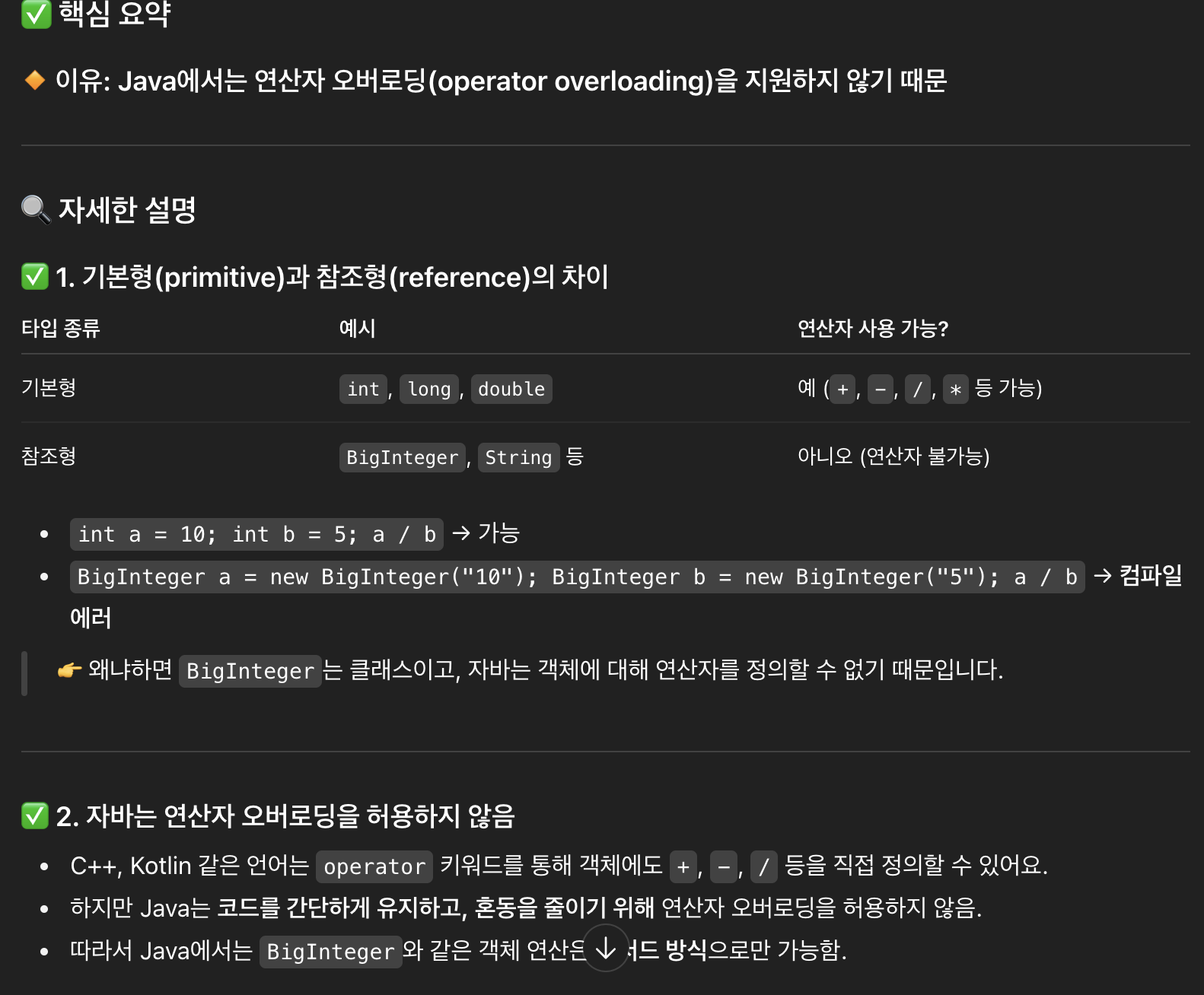
import java.math.BigInteger;
import java.util.Scanner;

public class Main {
    public static void main(String[] args) {
        Scanner sc = new Scanner(System.in);

        BigInteger n = sc.nextBigInteger();
        BigInteger m = sc.nextBigInteger();

        System.out.println(n.divide(m));
        System.out.println(n.remainder(m));
        sc.close();
    }
}